
Following humanity's return to the Moon.
Moon Daily

The U.S. Ocean Observatories Initiative cost about $386 million to build a network of more than 900 ocean instruments meant to run for 25 years, and the National Science Foundation ordered four of its five arrays pulled from the water a decade in before reversing course

The U.S. Ocean Observatories Initiative built a $386 million network of more than 900 deep-sea sensors designed to run 25 years. A decade in, NSF ordered four of its five arrays pulled from the water — until a bipartisan revolt in Congress hit pause.

Latest

All articles →
Physics News

At Fermilab near Chicago, physicists raced muons around the same magnetic ring first used at Brookhaven in the late 1990s and, with more than double the 2023 data, confirmed the tiny particles still wobble in a way the Standard Model could not fully explain

Fermilab's Muon g-2 experiment, using a 50-foot superconducting ring shipped from Brookhaven in 2013, produced the most precise measurement of the muon's magnetic wobble ever taken — and a decade-long lattice calculation now suggests the Standard Model can explain it after all.

Terradaily

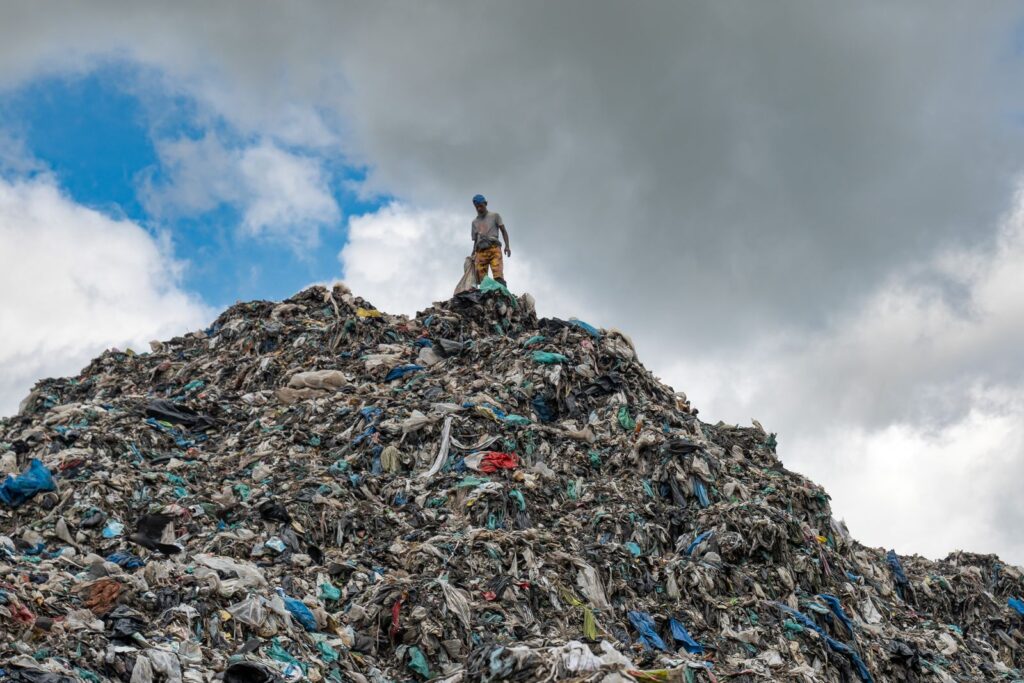
If nothing changes, the world is projected to generate enough mismanaged plastic waste between 2010 and 2050 to build a pile the size of Manhattan and 10 times the height of the Empire State Building, while most annual plastic waste will still go to landfills or incinerators

On a business-as-usual path, humanity will generate enough plastic waste by 2050 to bury Manhattan under a pile ten Empire State Buildings tall — and most of it will still end up in landfills or burned overseas.

Space Scopes

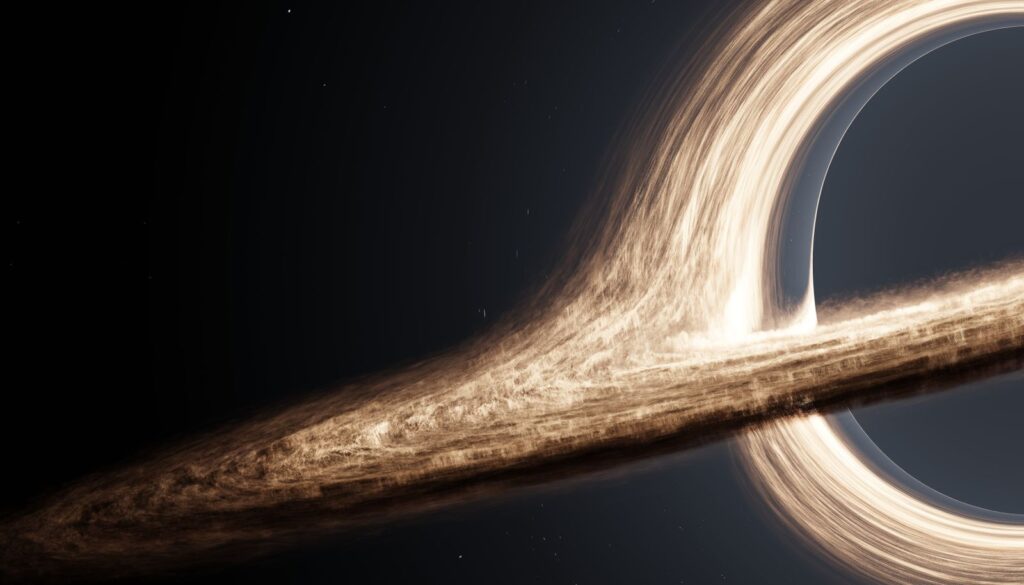
Ten years after LIGO's first detection, the collaboration has now heard the clearest evidence for Stephen Hawking's 1971 theorem that merging black holes must grow, not shrink, their combined surface area even as energy pours away as gravitational waves

A decade after LIGO's first detection, the collaboration has confirmed Stephen Hawking's 1971 black hole area theorem with a failure rate of only a few parts per thousand, using the clearest gravitational wave signal ever recorded.

Early Earth

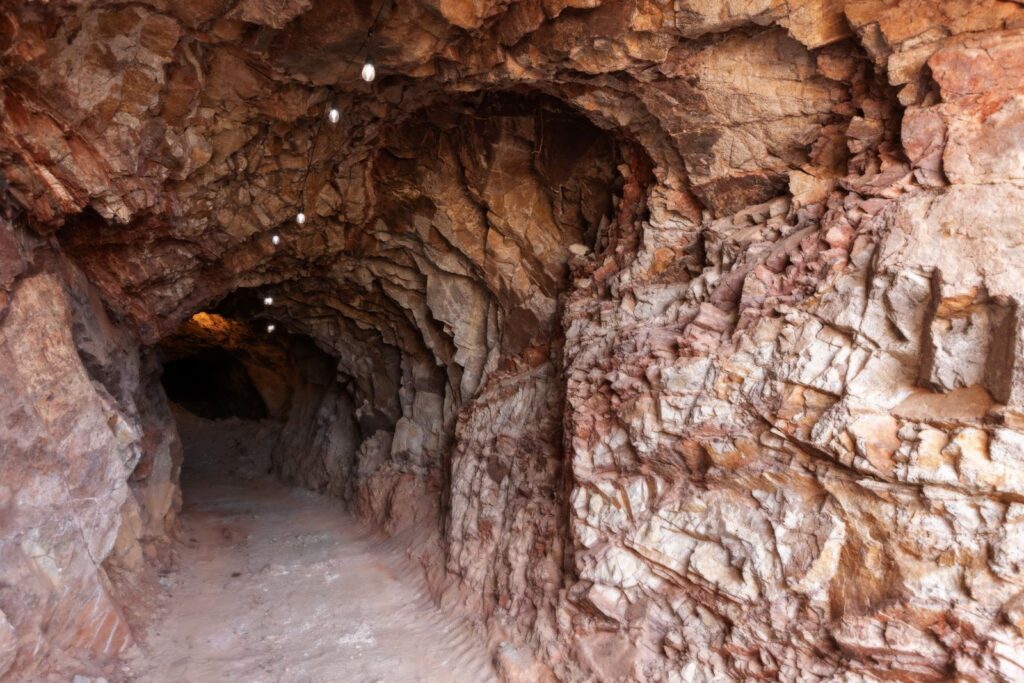
Pyrenean archaeologists long assumed sites above 2,000 metres were only used briefly in passing, but Cova 338 at 2,235 metres held 23 hearths and malachite fragments showing repeated planned occupation from the 5th to the 1st millennium BCE

At 2,235 metres in the eastern Pyrenees, Cova 338 has yielded 23 stacked hearths and burnt malachite fragments spanning from 5,500 to 3,000 years ago — overturning the assumption that high-altitude sites were only transit points and revealing one of Western Europe's earliest known copper-processing camps.

Climate Science

Climate models of the last 6,000 years generally show Earth gradually warming, but sediments, tree rings and corals from the same period generally show it gradually cooling — a contradiction paleoclimatologists have been arguing about for more than a decade

For 6,000 years, climate models and natural archives tell opposite stories about Earth's temperature. The Holocene temperature conundrum is one of paleoclimatology's most stubborn arguments.

What’s up in

Moon Daily

Lunar missions, Moon science, exploration technology, commercial lunar programs, and the agencies and companies shaping humanity's return to Earth's only natural satellite.

About Moon Daily

Following humanity's return to the Moon.

Moon Daily is an independent publication covering lunar missions, Moon science, exploration technology, commercial lunar programs, and humanity's return to Earth's only natural satellite. The site pairs a deep archive with current reporting on the research, agencies, companies, policy shifts, and technical breakthroughs shaping the next era of lunar exploration. We employ modern AI technologies to support our editorial workflows; every published piece is editorially directed and reviewed.

More about us →