What's up in
Moon Daily
Lunar missions, Moon science, exploration technology, commercial lunar programs, and the agencies and companies shaping humanity's return to Earth's only natural satellite.
Moon Daily
Massachusetts is debating a $400 million state fund to shore up university science as federal grant timing turns unpredictable
As federal research grants slow and terminations mount at universities from UConn to UCLA, Massachusetts lawmakers are weighing a state fund in the hundreds of millions to keep laboratories running through a period of unpredictable federal funding.
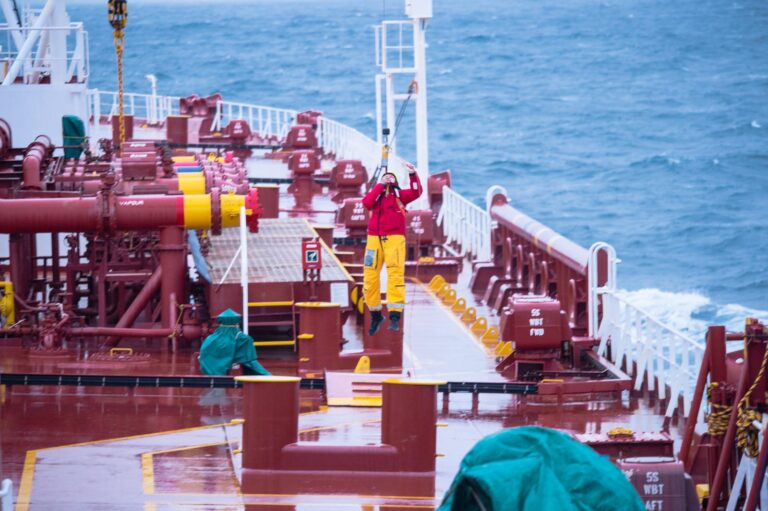
The U.S. Ocean Observatories Initiative cost about $386 million to build a network of more than 900 ocean instruments meant to run for 25 years, and the National Science Foundation ordered four of its five arrays pulled from the water a decade in before reversing course

Adults who keep their childhood bedroom exactly as it was often aren't stuck in the past, they may be preserving the only version of themselves that was allowed to exist without a job description
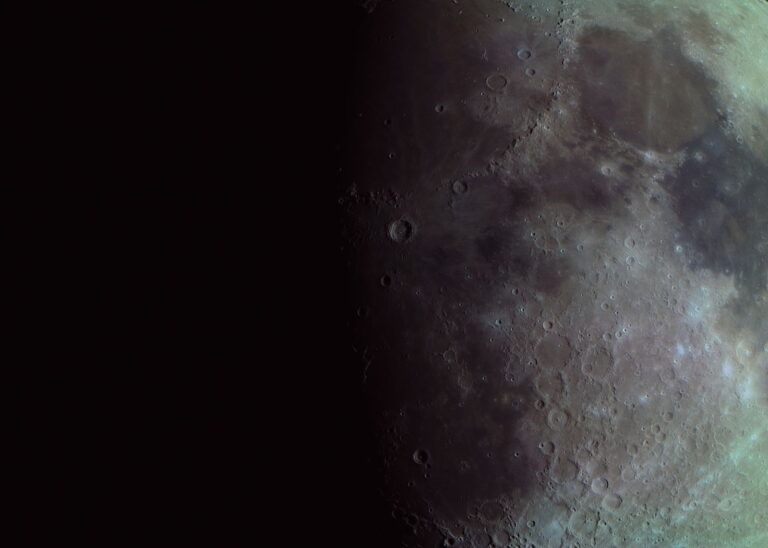
The Moon is under constant micrometeoroid bombardment, and because there is no atmosphere to slow anything down, even grain-sized particles arrive at up to 72 kilometres per second and briefly vaporise the rock into a glowing plasma — the Artemis II crew watched six of those flashes in April 2026
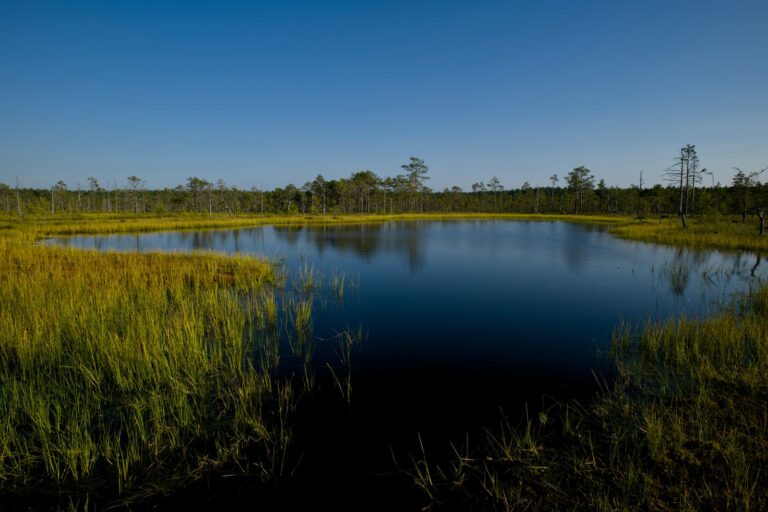
Why does draining a single hectare of tropical peatland release more carbon over a decade than clearing the rainforest that grows on top of it, and why did blocking the drainage canals take almost twenty years to show results?
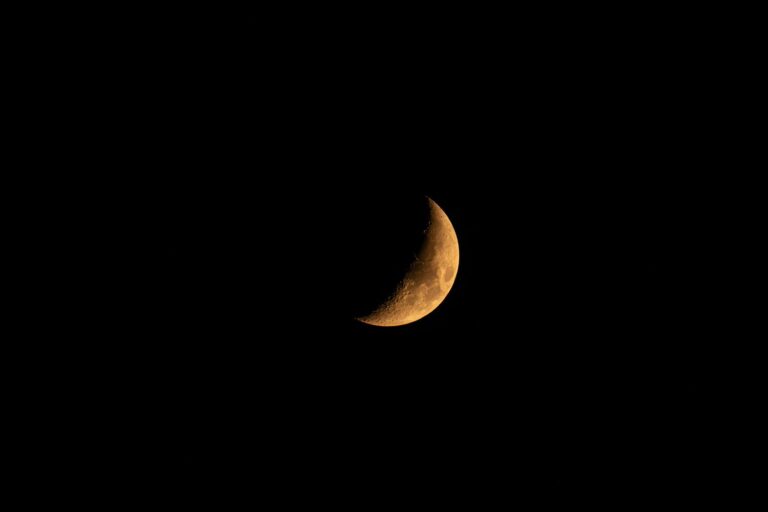
The Moon has a permanent tail of sodium atoms stretching hundreds of thousands of kilometres behind it, invisible to the naked eye but bright enough that a telescope on Earth can photograph it glowing every new moon
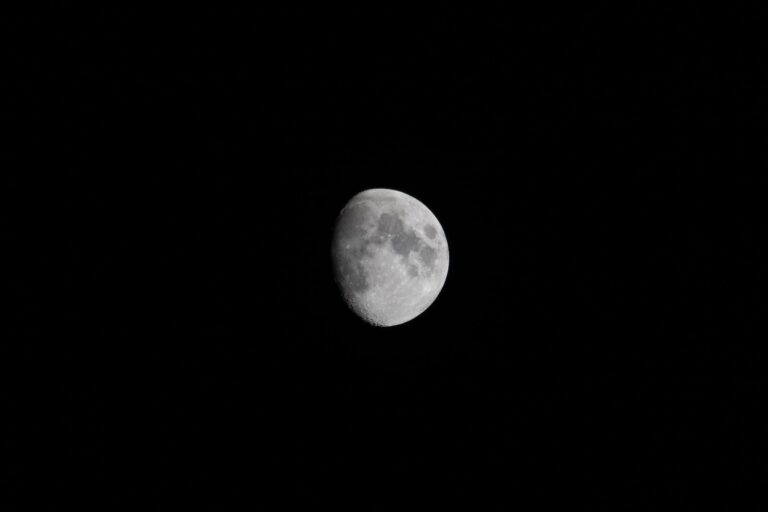
In 1971, Apollo 14 commander Alan Shepard attached a hidden six-iron head to a lunar sampling tool and hit two golf balls one-handed on the Moon; the longer shot travelled roughly 40 yards in one-sixth gravity
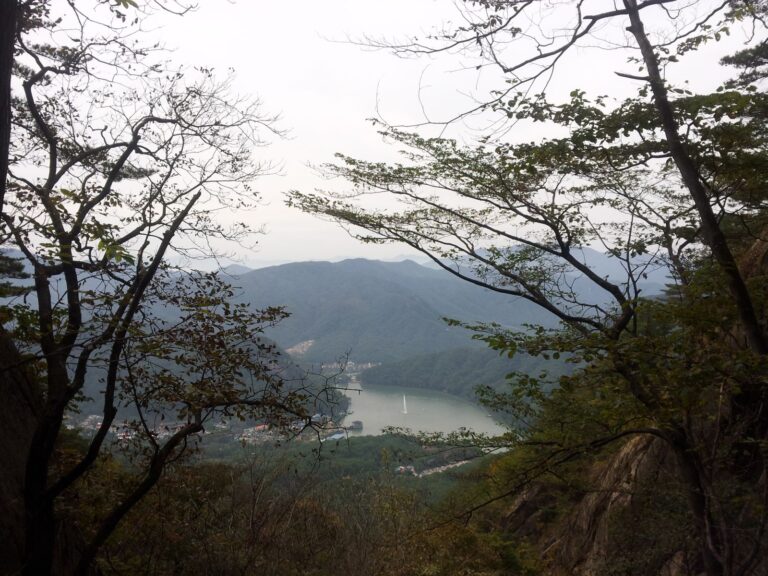
How did an East Asian country with barely 35 percent of its land wooded in 1955 rebuild itself into one that is now roughly 63 percent forest within a single lifetime?
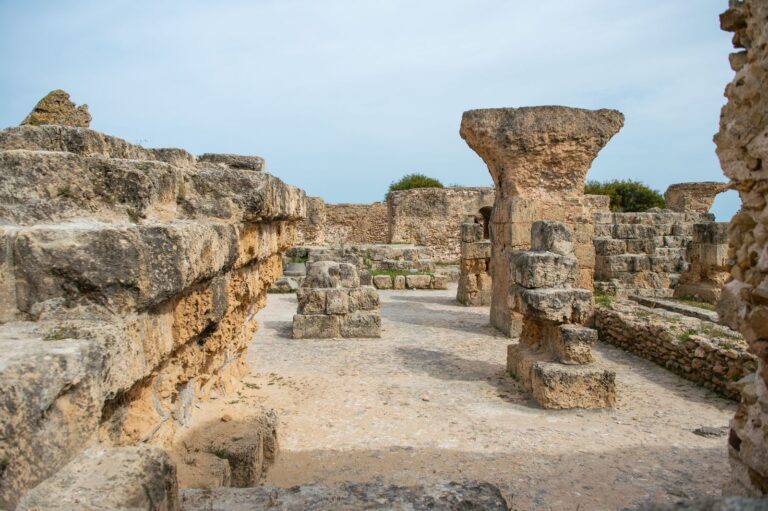
Why does a 2,000-year-old harbour concrete keep growing stronger the longer seawater soaks it, while modern marine concrete built to the same purpose crumbles within about 50 years?
In 1952, Rosalind Franklin captured an X-ray diffraction image she catalogued as Photo 51 — the dark cross at its centre showed DNA was helical months before Watson and Crick built the model that made them famous
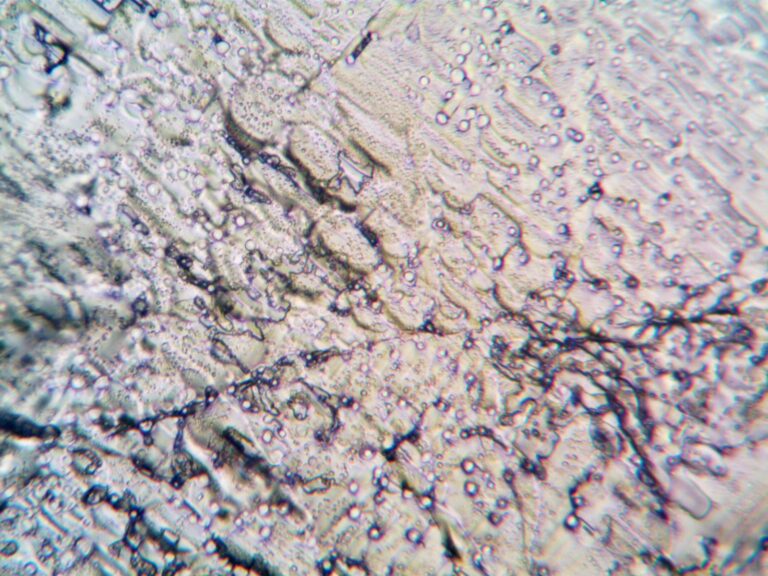
Tardigrades have survived near-absolute-zero cold, brief heat above 150 degrees Celsius, and radiation hundreds of times beyond a human lethal dose, and in 2007 many revived after ten days exposed to space