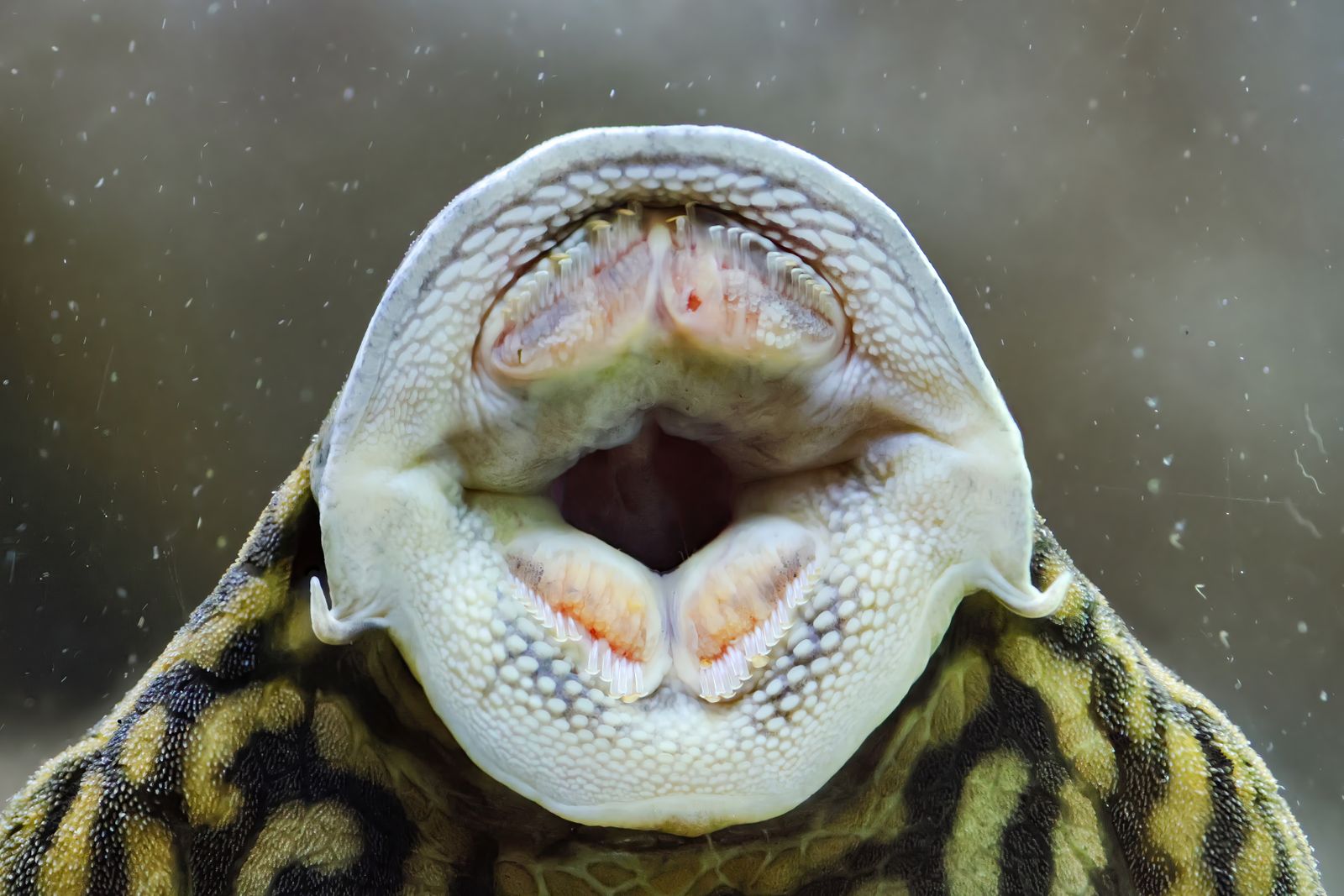
Inside the mouth of a snapper somewhere off the coast of Baja California, a small crustacean is doing the work a tongue used to do. It is not attached to the tongue. It is the tongue. Cymothoa exigua, an isopod roughly the length of a paperclip, entered the fish as a juvenile through the gill slits, crawled forward into the mouth, latched onto the tongue, and used its hooked claws to sever the blood vessels feeding the organ until the tissue withered and dropped away. Then it clamped onto the stub and stayed there. For the rest of that fish’s life, when the snapper presses food against the roof of its mouth, it is pressing against a living animal with segmented legs and two dark eyes facing outward.
This is the only known case in the animal kingdom of a parasite anatomically replacing a host’s organ and continuing to perform that organ’s function.
The mechanism, step by step
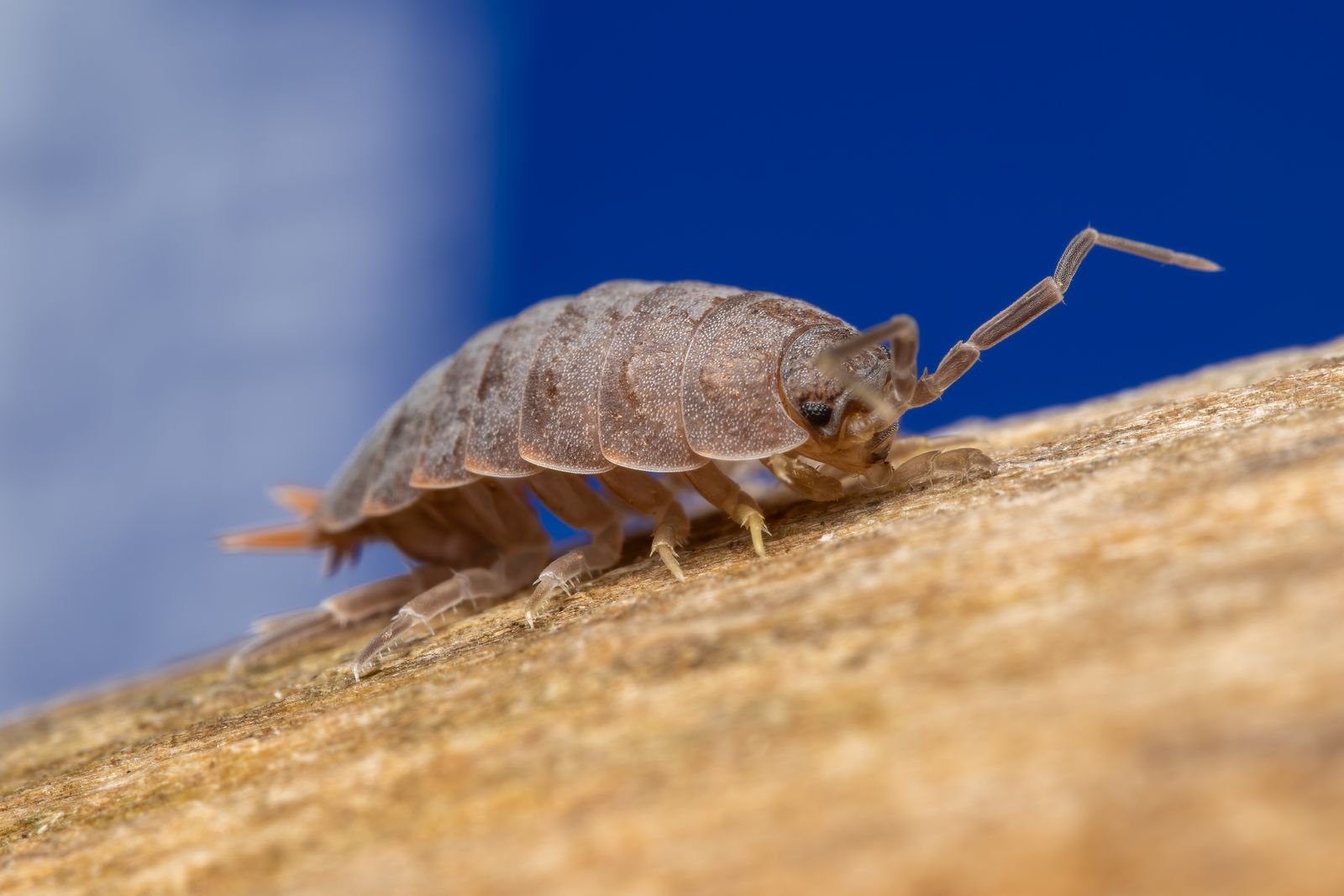
The louse begins life as a free-swimming juvenile in warm coastal water. It is small — between 0.3 and 1.1 inches long as an adult — with seven pairs of legs tipped in sharp curved claws called dactyli. Those claws are the tool.
It enters through the gills. Once inside the gill chamber, it works its way forward into the buccal cavity and finds the tongue. It grips the tissue and uses the dactyli to puncture and shear the arteries running along the base. The blood supply fails. The tongue atrophies, necrotises, and eventually detaches at the stub.
Then the isopod moves in. Its body settles into the socket where the tongue used to be, oriented with its head pointing forward and its segmented back facing the roof of the mouth. Its legs anchor into the remaining muscle. From the fish’s perspective, the appendage still works. From outside, if you were to pry the mouth open, you would see what looks like a small pale creature staring back at you.
Why it doesn’t kill the fish
Most parasites either drain the host slowly or manipulate it toward a gruesome end. The lancet liver fluke reroutes ant brains so they climb blades of grass and get eaten by cattle. The parasitic barnacle Sacculina carcini castrates crabs and turns them into unwitting nursemaids for its own larvae. In each case, the host is a vehicle heading somewhere the parasite needs it to go.
The tongue-eating louse is different. It needs the fish alive, feeding, and healthy. A dead snapper is a dead apartment. So the isopod causes catastrophic damage to exactly one organ and then repairs the functional deficit itself, by becoming that organ. The fish continues to press food against the roof of its mouth. The louse, wedged into the socket, provides the physical surface that pressing requires. According to reporting in The Guardian on the wider family of tongue-biting isopods, fish carrying these parasites typically live normal lifespans and feed normally, though heavily infected individuals can show signs of underweight.
The louse itself feeds on the fish’s blood and mucus, tapping the vessels of the tongue stub for a slow continuous meal. It is small enough that the drain is survivable. It is anchored well enough that it does not have to move. The arrangement, from the parasite’s point of view, is close to perfect.
A once-only trick in the animal kingdom
Biologists have catalogued thousands of parasitic strategies. Some hijack behaviour. Some redirect reproduction. Some hollow out the host from inside. None of the others replace an organ and then do that organ’s job. Cymothoa exigua is the sole documented example of functional organ replacement by a parasite.
The word functional matters. The louse is not a passive plug filling a hole. When the fish moves its jaw, the isopod is what the food contacts. Its body has, in effect, been recruited into the fish’s feeding anatomy. This is why the case fascinates parasitologists in a way that even the most theatrical mind-controlling flukes do not.
Where it lives
The species was first described from the Gulf of California and is found in warm coastal waters from there south to the Gulf of Guayaquil in Ecuador. It most often turns up in snappers, but has been recorded in other fish across the eastern Pacific. Related genera — Ceratothoa, Nerocila, and others in the family Cymothoidae — occupy similar niches in other oceans, though not all of them replace the tongue. Some cling to gills. Some ride on the outside of the body. Some burrow into the skin.
The species that most people have actually seen in photographs is often not Cymothoa exigua at all. The viral image of a pale isopod staring out of a fish’s open mouth — the picture that shows up in nearly every article about tongue-eating parasites — was taken by South African researcher Nico Smit during doctoral fieldwork and shows a different species inside a Cape seabream. It was eventually named Ceratothoa famosa. The epithet famosa was chosen because the animal had already become famous before it had a scientific name.
The behaviours look similar enough to a general audience that the two species are constantly confused. But the tongue-replacement trick — the specific, complete substitution described here — belongs to Cymothoa exigua.
How it mates inside the fish
The reproductive cycle is as strange as the feeding one. Juveniles arrive at a host as males. Two of them typically end up in the same fish. One remains male, attached in the gill chamber. The other, if it is the first to reach the mouth, changes sex and becomes a much larger female — the one that severs the tongue and installs itself in the socket. She is fertilised by the male still living further back in the gills.
She then carries her brood in a marsupium, a pouch on the underside of her body, until the juveniles are ready to swim out and find their own hosts. Once she is anchored to the tongue stub, she does not leave. The fish is her home, her feeding site, and her nursery for the rest of her life.
Adult cymothoids remain permanently attached to the individual host. This permanent-attachment pattern is characteristic of the family. The parasite is not passing through. It has moved in.
What the fish notices
This is the question that unsettles people the most, and the honest answer is: probably not what you would expect. Fish do not have the nervous machinery to register the arrival of a tenant the way a mammal would. There is trauma during the initial severing — the tissue dies, and dying tissue is presumably felt in some minimal fish-appropriate way — but once the louse is installed and the socket has healed around it, the fish’s feeding behaviour returns to baseline.
Africa Check’s verification of the phenomenon, prompted by widespread social-media disbelief, confirmed that infected fish generally continue to feed and grow. The louse does not appear to interfere with the tongue’s mechanical role. It performs it.
There is one caveat. When multiple lice attach to the same host, or when the fish is already stressed by other pressures, the drain on blood and mucus adds up. Older studies show that heavily infected fish trend underweight. Observations of related parasite species suggest that fish in overfished waters show higher infection rates and that those infected fish tend to be more malnourished than counterparts in protected waters. The parasite is not usually the problem. The parasite plus depleted habitat is.
The record it holds
A small isopod, roughly the size of a large jellybean, is the only animal known to science that removes a vertebrate organ and then continues that organ’s function inside the host. That is the sentence. It has held that record for more than a century of parasitology, and no other case has displaced it.
Anglers off the coast of California occasionally open a snapper and find one looking back at them. The fish, up until the moment it was caught, was feeding normally. It had been feeding normally, in most cases, for years. Somewhere inside its mouth, a segmented crustacean with dark eyes and seven pairs of legs was gripping the stub of a tongue that no longer existed, and doing what that tongue used to do, and had been doing it long enough that neither the fish nor the parasite could really be described as living without the other.